It is. Had today the opportunity to look into the thermals of another RK3588(S) device in a passively cooled metal enclosure that will be presented on the 20th this month. While idle temperature is a bit on the high side temp difference when running most demanding CPU benchmark is only 10°C.
Even without any cooling at all thermal throttling effects are minimal with RK3588 as such a nicely designed metal enclosure will be sufficient also with GPU/VPU busy in parallel to CPU cores.
BTW: when designing such a heatsink enclosure the best formula is low own thermal mass, huge heatsink fins and sufficient spacing in between (otherwise some active airflow would be needed for good heat dissipation and a high thermal mass results in the whole thing getting hot and feeding heat back into the board).
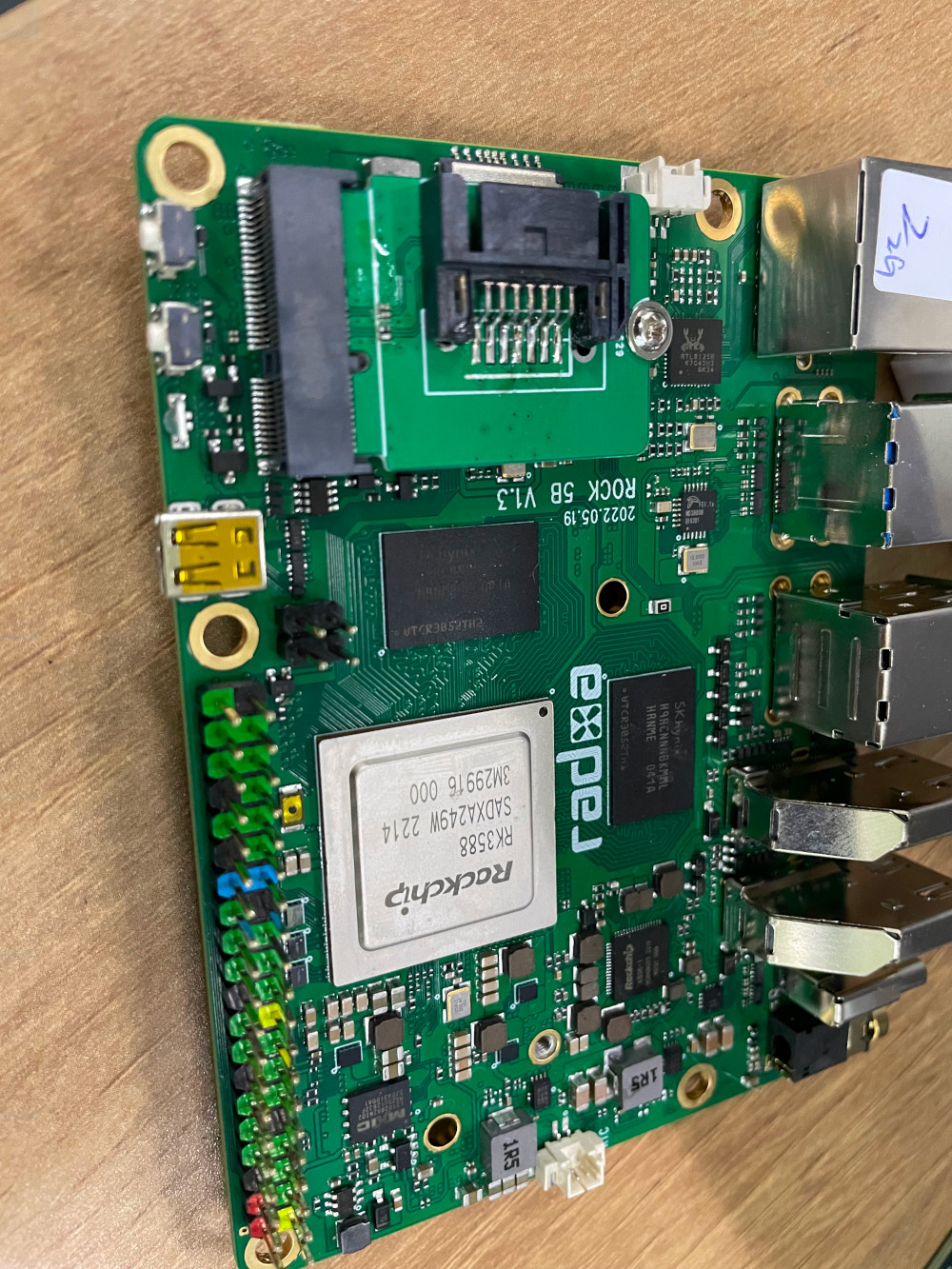
I mentioned accessories for the Khadas solutions, this one is a few years old,
just like a Khadas the size of the ROCK5 does not allow you to do everything.
A redesigned branching expansion card for the ROCK5 would be awesome,
don’t make me have to ask Raxda or those partners to think of a bifurcation card,
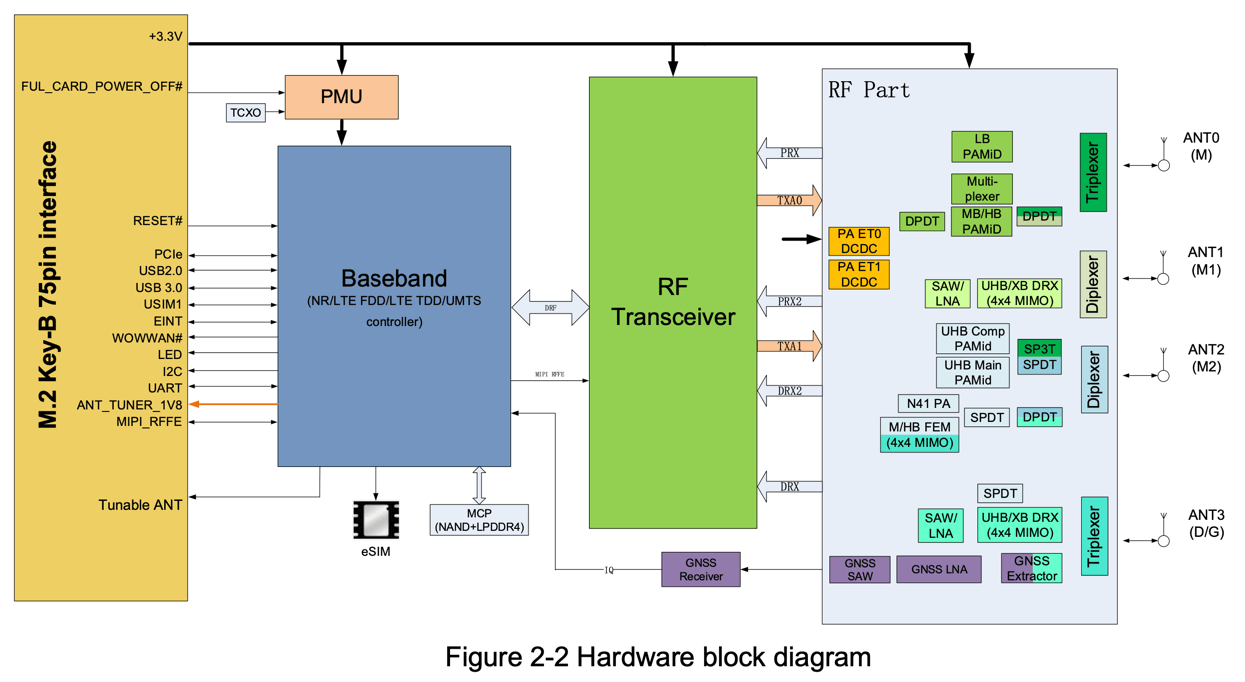
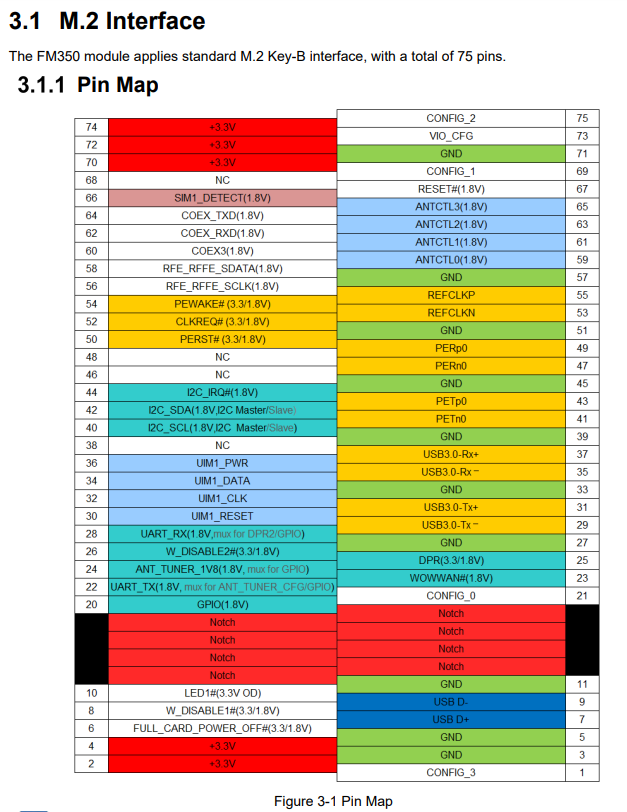
that supports one M.2 B (PCIe x2) and one M.2 B + sim (PCIe x2 /USB 2.0 / USB 3.0 / I2C),
if in addition radxa adds a POE splitter dongle that breaks out in RJ45 + USB-C 12V,
it will be completely insane of them…
those Khadas accessories do not support bifurcation. Khadas SBCs usually lack any decent I/O since Amlogic based and those SoCs feature 1 PCIe Gen2 lane maximum and this multiplexed with USB3. You get either PCIe or USB3 there (only exception are Khadas Edge thingies since based on Rockchip).
you won’t get SATA in the M.2 key M slot on Rock 5B since the 4 lanes routed here are PCIe Gen3 only (provided by a dedicated PCIe 3.0 controller in RK3588).
all most of those WWAN modems are USB based anyway even if they come in mPCIe or M.2 format (as such you can attach these cards with a simple adapter board to an USB2 port if really needed).
just checked it on my dev sample: the 4 pin PoE header is there next to the GPIO header. So I guess Radxa’s PoE+ HAT will fit (though with the SoC on the upper PCB side thermally challenging).
A mechanical adapter for the M.2 key M slot with bifurcation support might be possible but where should the bunch of other protocols the M.2 standard allows for should come from if the slot is only connected to RK3588’s PCIe 3.0 controller?
And to be clear: the aforementioned Khadas accessory is a PCIe/USB2 splitter
The JMB585 is no problem since definitely PCIe only. But I’ve not seen such a modem that is ‘PCIe only’ but always requires a bunch of other protocols on the M.2 slot.
I am curious about the added heat load of a poe board in a passive case. So you have plans for a poe board?
Can any Intel Ax200 series wifi module work?
Also do yout know what wireless chip the “Radxa Wireless Module A8(WiFi 6/BT5.2 M.2 card)” will carry? I guess it will be different than the A6s module’s AP6275s chip? @jack
Asides having been able to review a Rock 5B Rev 1.3 board I can only ask questions here and wait for Radxa to answer which sometimes happens and sometimes not. Sitting in the same boat…
Fun times! Hoping to rebuild my mini NAS using the Rock5. Since there is only one PCIe3.0x4, my plan is to grab a PCIe x4 card which supports dual m.2 slots with x2*2 bifurcation and add a JMB585 sata card in one slot and an m.2 NVMe in the other. I was looking at a few options, but the number of separate components needed are a bit daunting (m.2 to PCIe riser, extension card, sata card). It would be great to have a daughter board which does this all-in one (5x SATA and 1x m.2 NVMe, obviously both can only use two lanes because of bifurcation, but it should be plenty for a small NAS).
Or maybe I’ll just go the easy route and switch to a 2.5 SATA SSD and put the NVMe in another device…