From what I understand I will still have to have the bootloader and kernel on an EMMC or uSD
So what’s the correct way to move the filesystem to an NVME? Is there a builtin script for this? Update grub?
I was hoping to just change a mount point in fstab but root is not even mounted from fstab.
First, make a partition on nvme device with fdisk or parted, the partition will be under /dev/nvme0n1p1. Then, move your rootfs from sd/emmc to nvme with dd
Hi Jack, I can’t find /boot/extlinux/extlinux.conf on the Debian installation (/boot is empty) and fstab is also doesn’t contain ‘/’, any ideas ?
Thanks
Hi Jack, thanks for your help, I’m up and running now, I’ve included your details of how to setup the radxa repository, so that others can find the package more easily.
apt-get install rockchip-fstab
Reading package lists... Done
Building dependency tree
Reading state information... Done
rockchip-fstab is already the newest version (0.1).
0 upgraded, 0 newly installed, 0 to remove and 0 not upgraded.
1 not fully installed or removed.
After this operation, 0 B of additional disk space will be used.
Do you want to continue? [Y/n] y
Setting up rockchip-fstab (0.1) ...
sed: -e expression #1, char 0: no previous regular expression
mount all partitions
mount: mount point vfat does not exist
mount: mount point vfat does not exist
mount: mount point vfat does not exist
mount: mount point vfat does not exist
mount: mount point vfat does not exist
mount: mount point vfat does not exist
mount: mount point vfat does not exist
mount: mount point vfat does not exist
mount: mount point vfat does not exist
mount: mount point vfat does not exist
mount: mount point vfat does not exist
mount: mount point vfat does not exist
mount: mount point vfat does not exist
mount: mount point vfat does not exist
mount: mount point vfat does not exist
dpkg: error processing package rockchip-fstab (--configure):
 subprocess installed post-installation script returned error exit status 32
Errors were encountered while processing:
 rockchip-fstab
E: Sub-process /usr/bin/dpkg returned an error code (1)
How should I proceed when I am moving from eMMC to SSD connected via USB?
I’ve made exact same partition on SSD (sector count is equal), copied, fsck’ed, mounted, rsynced from eMMC to SSD, emptied fstab and the system does not boot…
Nothing on HDMI screen but the monitor is active = there is signal.
extlinux.conf on eMMC (for boot purpose only):
timeout 10
menu title select kernel

label kernel-4.4.154-95-rockchip-gd2ab1f26e1b3
    kernel /vmlinuz-4.4.154-95-rockchip-gd2ab1f26e1b3
    devicetreedir /dtbs/4.4.154-95-rockchip-gd2ab1f26e1b3
    append earlyprintk console=ttyFIQ0,1500000n8 rw init=/sbin/init rootfstype=ext4 rootwait root=/dev/sda3
@jack I’ve made everything as in second post here. The partitions on eMMC are like they was, so 5 of them. But the SSD I’ve created like that:
1st partition Ubuntu x64 for Intel
2nd partition data in ext4
3rd partition Rock’s Ubuntu copied from 5th eMMC partition, so these are all filesystem files and folders beside boot folder
So should I understand that partitions on SSD should be exactly like on eMMC?
I don’t see a need like that here.
Can’t be the root filesystem only on SSD?
Rest of the files (extlinux.conf, fstab) were edited by me accordingly but this does not make the system start.
Also: should the SSD be GPT? Is msdos like partition table ok for Rock?
Also: should the SSD be GPT? Is msdos like partition table ok for Rock?
Not necessary. As long as you can mount the SSD under Linux, you can use it as rootfs. Maybe you can check if the rootfs is good by chroot to it booting from eMMC. Also, add console=tty1 to the comnadline helps to check what’s happening if you don’t have serial console.
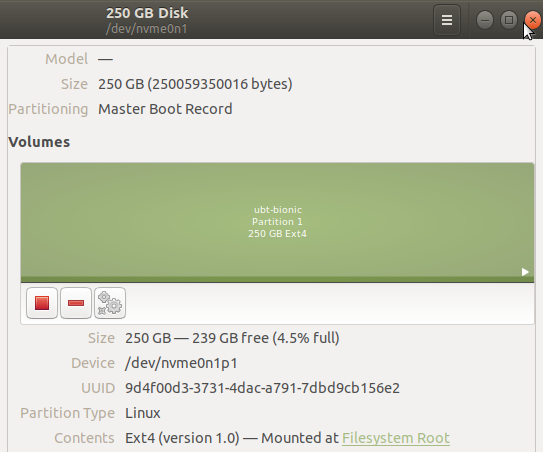
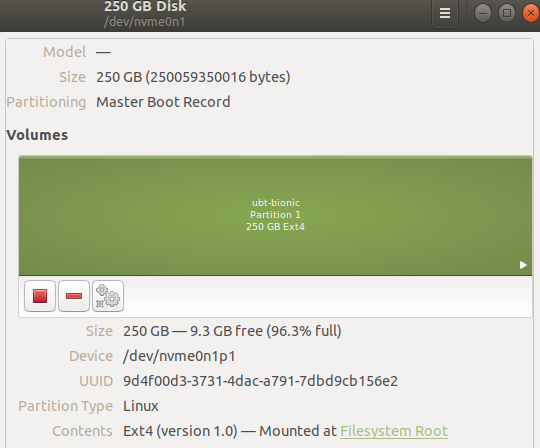

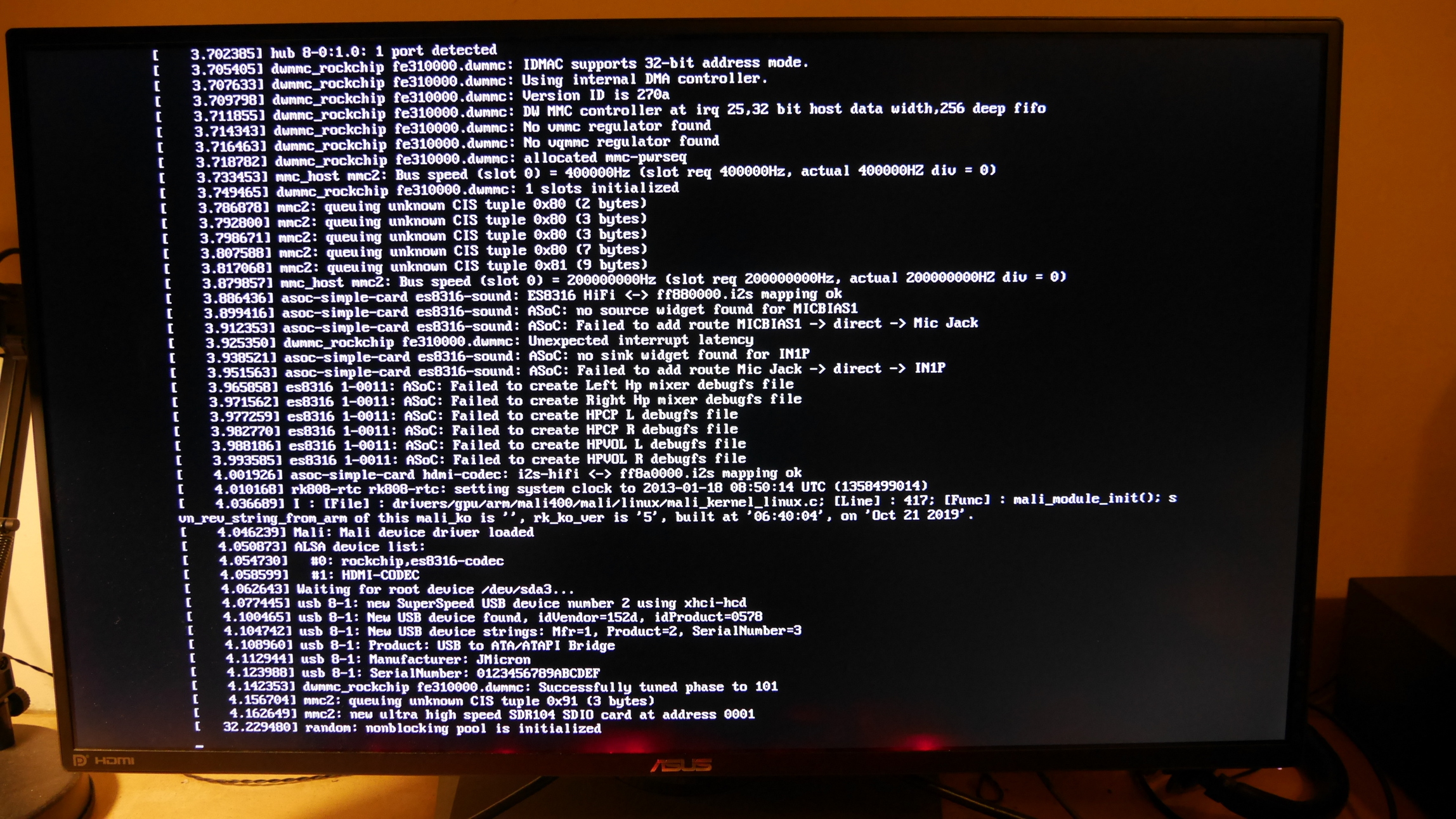
 It is working! Great! Thank you!