I bought the Rock Pi 4 B since the Raspberry Pi 3B+ cannot play/encode the 265 DVB-T2 FullHD TV signal being broadcasted here and I hoped that the Rock Pi 4 would have the same gpio pinout. I wanted to use the Raspberry Pi DVB-T HAT addon board for gpio. I am using the newset LibreELEC 8.90.013 from the release two days ago.
Is there any chance I can get the DVB HAT working via gpio? How can I proceed?
Pins should be the same across all boards, but can you link extension board?
And it possible that because libreelec image still in-test it’s just don’t have necessary “things”
I ultimately unsure if there that much of software (and hardware) compatibility between RasPi and all other board. Quick google showed me, that there is difference in how board handle GPIO (i.e. raspi support interrupts on all GPIO, but some boards only on specific ones, and there alsp a bit of tech language i do not fully understand about SPI bus, i2c controller).
td;lr
You best shot is wait untill the end of China New Year (19th February) and ask devs (i.e. @jack) about this. Or try to find out how rockpi4b handles GPIO and which ones RasPi TV hat use
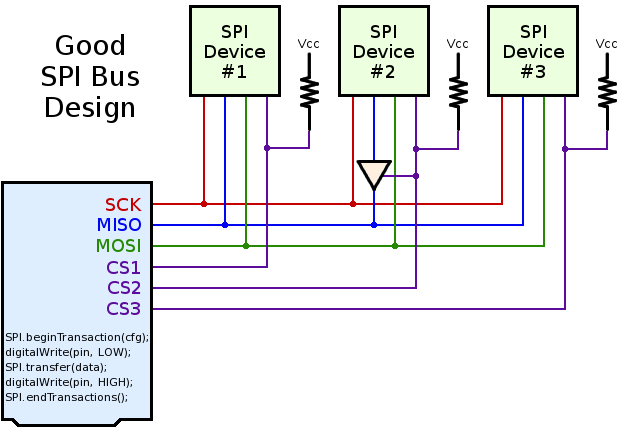
Unfortunately, I could not find the schematic or pinout for the Raspberry Pi DVB-T HAT. It seems CDX2880 uses SPI communication with the Raspberry Pi. In that case, we need to check which SPI channel it uses. We have only one channel of SPI_CS on the 40PIN GPIO. Any idea what pins are used on the Raspberry Pi?
Pin 19, 21, 23, 24 are laid out directly to the pins of SPI device on board.
If the SPI bus is suitable for sharing with other devices, only the developers can tell us. And of course the design of the DVB-T HAT is also important. For example, an engineer investigated the design of the SPI bus, microcontrollers and their accessories.
Currently I don’t know how the HAT connects to Raspberry Pi and if it needs a dtbo to work. But from this slide, it seems the driver needs kernel 4.17 or later. So it can not work on ROCK Pi 4 now unless we move to mainline, which will happen some time this year.